

Sensitive teeth: How to deal with them when you feel a sting while brushing, and when it's better to

Tooth sensitivity is one of those issues that can seem inconspicuous but can surprise you in your daily life: a sip of cold water, a spoonful of ice cream, or conversely, a hot tea, and suddenly there's a sharp, short pain. Some experience it only occasionally, while others are plagued by it for weeks. And since it often appears "out of nowhere," the logical question arises: what causes tooth sensitivity and what can influence tooth sensitivity in everyday life? The answer is often less dramatic than it seems — but it all boils down to the details.
A tooth is not a solid stone. Its surface is protected by enamel, the hardest tissue in the body. Beneath it is dentin, which is permeated with tiny canals (tubules) leading to the nerve. When the enamel thins or the tooth's neck is exposed (often due to gum recession), external irritation "gets inside more easily." And that's when a person starts asking, *sensitive teeth – [how to deal with them](https://www.ferwer.cz/blog/babske-rady-na-citlive-zuby)*, when even ordinary brushing is no longer a routine but a test of endurance.
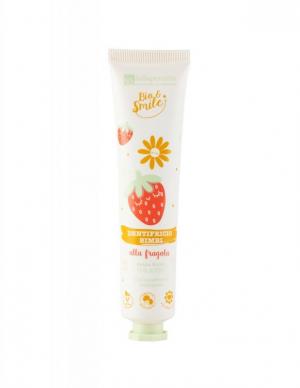
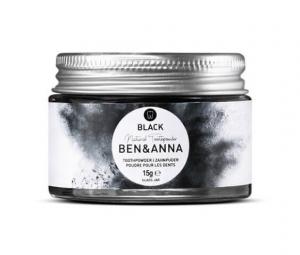
Try our natural products
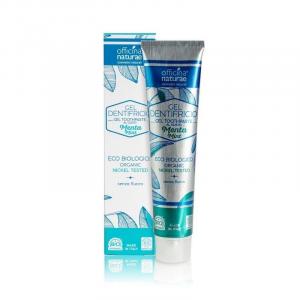
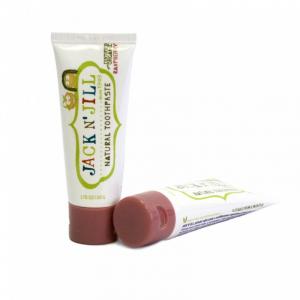
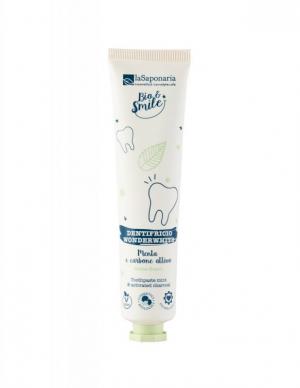
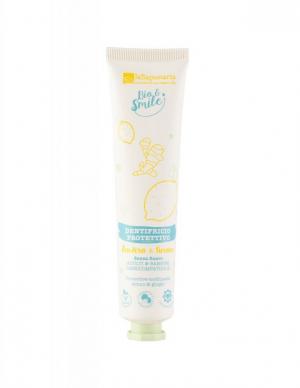
What Causes Tooth Sensitivity: Common Culprits in Everyday Life
Let's start with what people most frequently deal with: why does it hurt right now? Tooth sensitivity is often a reaction to exposed dentin or irritated nerve, but there can be many triggers, often combined. Sometimes it's one clear reason (like a crack), other times it's a combination of small habits that accumulate over years.
A very common factor is mechanical wear. A too-hard toothbrush, pressure on the teeth while brushing, or "scrubbing" with horizontal movements can gradually damage the enamel, especially in the area near the gums. Tooth necks are particularly sensitive, and the enamel is naturally thinner there. Add to that gum recession — sometimes due to inflammation, other times due to genetics or long-term overloading. The result? What helps sensitive teeth often doesn't start with a miraculous gel but with a change in brushing technique and a choice for gentler care.
Another common reason is chemical wear, or enamel erosion by acids. It's not just about "sweet sodas." An acidic environment is also created by frequent consumption of sparkling drinks, lemon water throughout the day, energy drinks, but also some fruit juices or wine. Acids soften the enamel, and if a toothbrush is used immediately afterward, it's like cleaning a finely sanded surface. For instance: after an acidic drink, it's gentler to take a break and brush after 30 minutes.
Teeth grinding (bruxism), often at night, also plays a role. Teeth microscopically wear down, small cracks form, and sensitivity can appear even without an obvious cavity. Then there are dental procedures: whitening, a new filling, crown placement, or professional cleaning, which can temporarily increase sensitivity. It's not automatically a mistake — rather a signal that the tooth needs time and a more sensitive regimen.
It's worth noting that the pain "to cold" isn't always just sensitivity. Sometimes it's hiding a cavity, a leaky filling, a cracked tooth, or gum inflammation. Therefore, a simple rule applies: if sensitivity worsens, lasts a long time, or is accompanied by pain when biting, it's better not to postpone a check-up.
"It's not just about what you eat, but also how often and how long you expose your teeth to acids."
As an informative and understandable overview of causes and mechanisms, you can also refer to information on dentin hypersensitivity on the American Dental Association's website or a review of enamel erosion, for example, on the NHS.
What Can Influence Tooth Sensitivity: Food, Habits, Stress, and "Healthy" Trends
When the word "trigger" is mentioned, most people think of cold and sweet. However, what can influence tooth sensitivity is a broader topic — and sometimes surprising in how much sensitivity relates to the rhythm of the day.
One of the biggest players is frequency. Teeth can handle occasional acidity, but if you sip acidic drinks throughout the morning, the pH in the mouth stays low for a long time. Saliva helps neutralize acids and remineralize enamel, but it needs time. That's why there's a difference between having an orange for breakfast and nibbling on citrus or sipping lemon water all day.
Similarly, some "healthy" habits work. Popular apple cider vinegars, fermented drinks, or frequent kombucha consumption can be challenging for teeth — not because they are "bad" by themselves, but because they are acidic. If sensitive brushing is added right after drinking, the enamel suffers.
Sensitivity can also be worsened by dry mouth. Saliva is a natural protection: it washes, balances pH, and provides minerals. Dryness can be related to hydration habits, stress, mouth breathing, but also some medications. When there's less saliva, the risk of cavities and sensitivity increases.
And then there's stress. Not because it "directly causes sensitivity," but because it increases the risk of clenching and grinding teeth. Many people don't even notice it during the day — until sensitive edges of teeth, jaw pain, or a "dull" feeling in the teeth appear in the morning. If tooth sensitivity occurs along with headaches or jaw tension, a consultation regarding a protective night guard might be necessary.
Part of this puzzle is also gum recession. This can be due to inflammation, but also long-term over-brushing. Sometimes people press harder because they want to be "really clean." However, gums are not a carpet. Dental hygiene should be thorough but gentle — and often a better technique is more effective than more force.
And one more detail, often underestimated: sensitivity can be localized. When one tooth hurts, it is more suspicious than when "all" hurt with cold. One specific tooth might have a microcrack, a cavity between teeth, or a leaky filling. In such cases, home solutions only partially help.
A Real-Life Example: When "Just" Lemon Water Changes a Smile
Imagine a typical situation: someone decides to switch to a healthier regimen and starts drinking lemon water every day. The bottle sits on the table, disappearing sip by sip throughout the morning. After lunch, there's a quick tooth brushing for a feeling of freshness. After a few weeks, unpleasant tingling appears with cold water and later even during brushing, especially on the front teeth and at the necks. It's not that lemon is a "forbidden fruit" — rather, several small things came together: frequent acidity, long duration of exposure, and brushing at an inappropriate time. Once the regimen is adjusted (lemon more with meals than sipping all day, rinsing with water after drinking, waiting to brush), sensitivity often begins to calm down. And when a suitable toothpaste and a softer brush are added, the difference can be surprisingly quick.
Sensitive Teeth: How to Deal with Them When Cold and Brushing Hurt
When dealing with sensitive teeth – how to address them, it's practical to proceed: first remove triggers, then strengthen protection, and at the same time not overlook warning signs that belong in the office.
The fundamental step is to soften hygiene, not limit it. A common mistake is to "neglect" brushing because it hurts. However, plaque irritates gums and worsens the situation. A soft toothbrush, gentle pressure, and rather circular motions help. For interdental spaces, it's better to choose a size that doesn't injure the gum and proceed carefully. If gums bleed, it doesn't mean to stop brushing — rather that the technique needs adjusting or dental hygiene consultation.
A significant difference can be made by choosing the right toothpaste. What is most often recommended for sensitive teeth? Toothpaste specifically designed for sensitivity, which helps either "plug" open canals in the dentin or ease signal transmission. It's important to give it time: effects often don't show after two brushings, but over days to weeks. And it also applies that highly abrasive (very "whitening") pastes can worsen sensitivity by mechanically wearing down the surface.
Temporary relief can also be brought by adjusting diet and routine. It's not about banning fruit, but smarter timing: acidic foods more with main meals rather than as long-term nibbling. After acidic foods, it's gentle to rinse the mouth with water, or eat a piece of cheese or dairy product to help neutralize the environment (if it suits the diet). And importantly: don't brush immediately.
Temperature helps too. When teeth are sensitive, it's wise to limit extremes for a while: icy drinks, very hot coffee, or alternating hot and cold. It sounds trivial, but the nerve often "rests," and sensitivity calms down more easily if regular irritation stops.
If there is suspicion of grinding, it's worth monitoring signals: morning jaw tension, headaches in the temple area, worn tooth edges. In such cases, a dentist might recommend a protective guard. It's a subtle tool that can significantly reduce overloading.
And when is it better not to experiment? If sensitivity is new and significant, if it concerns one specific tooth, if pain when biting is added, spontaneous pain or swelling, or if sensitivity lasts longer than a few weeks despite a gentle regimen. It might no longer be "normal" hypersensitivity, but a cavity, crack, or inflammation.
A Single List: Quick Tips on What to Do Today
- Switch to a soft toothbrush and don't press while brushing, more "polish" than scrub.
- Use toothpaste for sensitive teeth regularly and give it time.
- Rinse with water first after acidic foods and wait at least 30 minutes before brushing.
- Limit long-term sipping of acidic drinks during the day; drink them all at once and rinse with water afterward.
- Schedule a check-up if one tooth hurts, the pain worsens, or pain when biting is added.
In the context of a more sustainable household, sensitivity can also be addressed with gentle choice of tools: a quality soft toothbrush (even with a replaceable head), floss or interdental brushes in the appropriate size, and above all, products that support regularity without unnecessary aggressiveness. Sensitivity often isn't a call for "stronger" cleaning, but for gentler and smarter cleaning.
And perhaps that's ultimately the most practical answer to questions like what causes tooth sensitivity or what helps sensitive teeth: teeth usually don't react to one thing, but to a long-term sum. When they are relieved in small ways — less acidic sipping, gentler hygiene, suitable toothpaste, and timely check-ups — they can reward by turning an ordinary sip of cold water back into just an ordinary sip.