

How to Recognize Contact Eczema and Its Various Symptoms and Manifestations

What is Contact Dermatitis and Why Are More People Struggling With It?
In recent years, more and more people are experiencing skin issues that initially appear as harmless redness or itching but can gradually develop into an uncomfortable and persistent problem. One of the common culprits is contact dermatitis – an inflammatory skin condition caused by direct contact with substances that harm the skin. Whether it's a mild detergent, a perfume in cosmetics, or work gloves with a chemical coating, eczema can occur at any time and to anyone.
Contact dermatitis isn't just one type of skin problem. In fact, we distinguish between two main types: irritant contact dermatitis and allergic contact dermatitis. Both are caused by the skin's direct reaction to external substances, but they differ in their mechanisms of origin and approach to treatment. Although it might seem like a trivial skin reaction, an allergic reaction leading to contact dermatitis can significantly affect the quality of life – not only because of the unpleasant symptoms but also due to the necessity to avoid triggers that are often a common part of everyday life.
How to Recognize Irritant and Allergic Contact Dermatitis?
Irritant contact dermatitis is the most common form of the condition. It arises from repeated irritation of the skin by chemical or physical substances – for example, cleaning agents, solvents, and even frequent hand washing. This form of eczema can appear in anyone, regardless of previous health history. A typical example is dry, cracked, and red skin on the hands of people who frequently use disinfectant gels or work with chemicals.
On the other hand, allergic contact dermatitis occurs as an immune response to a specific substance – an allergen. The body develops a sensitivity to a particular component, such as nickel in jewelry, preservatives in cosmetics, or dyes in clothing. Symptoms often appear several hours or even days after contact with the allergen. Interestingly, a substance that is harmless to most of the population can trigger a strong allergic reaction in a sensitive individual.
The experience of Ms. Lenka, who works as a nurse, is illustrative in this regard. After months of wearing disposable gloves, she noticed red itchy spots appearing on her hands. Despite frequent moisturizing, the condition worsened. Dermatological tests eventually confirmed an allergy to latex – a classic case of allergic contact dermatitis.
Symptoms and Signs Not to Underestimate
Contact dermatitis usually manifests as red and swollen skin, accompanied by itching, burning, or unpleasant stinging. Small blisters often appear, sometimes even weeping areas, and the skin can begin to peel and eventually thicken.
These symptoms usually occur at the sites of direct contact with the irritating or allergenic substance – often on the hands, face, neck, or wrists. With repeated exposure, symptoms can spread and worsen, leading to a chronic form of eczema where the skin becomes thickened, dry, and cracked.
Contact Dermatitis and Its Treatment - What Really Helps?
Treatment of contact dermatitis should be comprehensive and based on accurate diagnosis. The key is the identification and elimination of the trigger. For the allergic type, patch tests (epicutaneous tests) are often used to help identify the specific allergen. If the trigger is known, avoiding it is the most effective step for relief.
Various forms of treatment are also used:
- Topical corticosteroids for quick inflammation relief,
- Emollient creams and ointments to moisturize and regenerate the skin,
- Antihistamines for severe itching,
- In severe cases, immunosuppressive treatment or phototherapy.
In addition to conventional medications, natural remedies are increasingly being used to support treatment. Extracts from calendula, chamomile, or oats have anti-inflammatory effects and can help soothe irritated skin. Eco-friendly cosmetics without fragrances, alcohol, and synthetic preservatives are not only gentle but also safer for people with sensitive skin.
One of the recommended steps for patients with contact dermatitis is also diligent hand protection – using cotton gloves under work gloves or choosing gloves made from hypoallergenic materials. At home, it is advisable to switch to cleaning agents without aggressive chemicals, which is not only suitable for health but also environmentally friendly.
According to the European Academy of Dermatology and Venereology (EADV), prevention is key to long-term control of eczema. Regular skin hydration, limiting contact with water, and the consistent use of protective creams when working with potentially irritating substances are recommended.
Eczema as a Signal That the Body Needs Change
Contact dermatitis is not just a skin problem – it is often a signal from the body that certain habits need to change. Whether it's excessive use of cosmetics, frequent contact with chemicals, or stress that weakens the immune system, eczema forces us to slow down and rethink our lifestyle.
Try our natural products

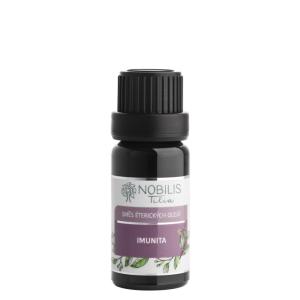

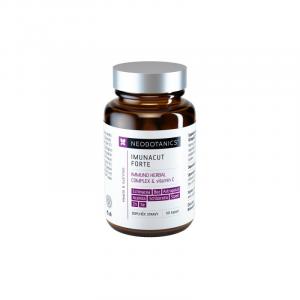


In recent years, there is increasing talk of a holistic approach to treatment. This includes not only the elimination of allergens but also dietary adjustments, strengthening of intestinal microflora, stress reduction, and quality sleep. Research confirms that skin condition is closely linked to our mental and immune health.
In this regard, transitioning to a more ecological and natural way of life can be inspiring. Eco-friendly detergents without harmful chemicals, clothing made from natural materials without toxic dyes, and cosmetics made from purely natural ingredients represent not only an alternative but also a prevention. And what's more – they benefit not only health but also the planet.
While contact dermatitis is neither an infectious nor life-threatening disease, it can significantly complicate daily life. It's not just an aesthetic problem – itching and discomfort can disrupt sleep, work performance, and interpersonal relationships. Therefore, it is important to pay attention to it and not underestimate the first symptoms.
How to protect yourself then? The most helpful is conscious selection of the products we use daily. Instead of cosmetics with a long list of chemical ingredients, choose natural options, avoid perfumes, consider buying underwear without artificial dyes. And most importantly – learn to listen to your skin. Because as Hippocrates said: "The skin is the mirror of inner health."