

How does seborrhea manifest in infants and what to do about it
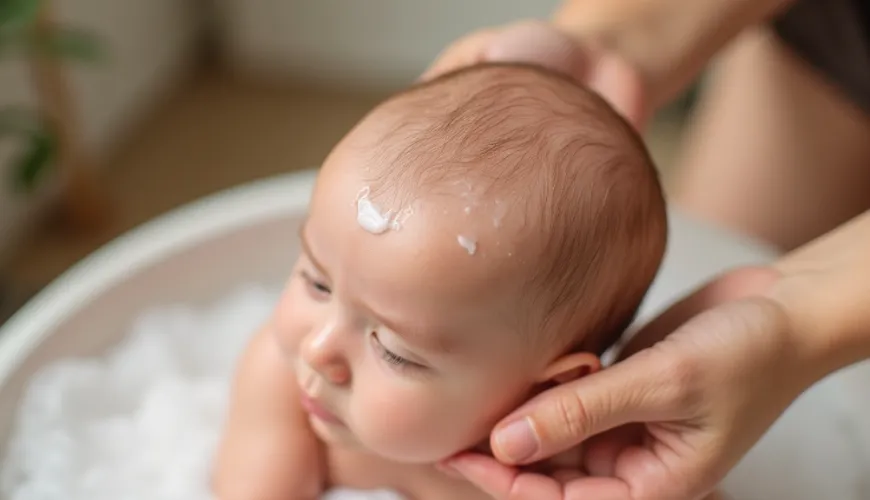
What is cradle cap in infants and how to manage it with care and nature
The skin of newborns and infants is uniquely soft and sensitive. It is no wonder that parents are often concerned when they notice scaly, yellowish patches on their child's head. Perhaps you have also noticed unsightly flakes on your baby's head while combing their hair. In such a case, it is most likely cradle cap in infants, medically referred to as seborrheic dermatitis. Although it may look serious at first glance, it is a common and usually harmless condition.
Cradle cap in infants most commonly appears in the first few weeks of life, peaking around 3 to 6 months, and it typically resolves on its own over time. While it does not pose a serious health risk to the child, it can be unpleasant to look at and sometimes irritating. Proper care, gentle natural products, and patience can help.
What does cradle cap look like and why does it occur?
Cradle cap in a child, often referred to as "milk crusts," is most commonly found on the baby's scalp. The affected area appears greasy, yellowish, or whitish flakes that sometimes form a more continuous crust. In addition to the hair-covered part of the head, cradle cap can also appear on the baby's forehead, behind the ears, in the eyebrows, or in skin folds, such as around the neck.
The exact cause is not entirely known, but experts agree that hormonal changes play a role – likely hormones transferred from the mother to the baby during pregnancy, which stimulate the baby's sebaceous glands. These then produce an excessive amount of sebum, which mixes with dead skin cells to create the typical scaly crust. In combination with the overgrowth of Malassezia yeast, which normally lives on the skin, mild inflammation may occur.
Unlike atopic eczema, cradle cap usually does not itch or bother the baby. Therefore, the child does not complain, and you usually notice the problem yourself – during bathing, applying lotion, or when combing their hair.
How to gently and effectively manage cradle cap in infants
Most cases of cradle cap in infants are mild and resolve within a few months without the need for treatment. However, it is good to gently care for the skin to prevent the problem from worsening. The first and most important step is not to scratch or forcibly remove the scales, even if they are very prominent. Doing so could disrupt the skin's protective barrier, cause irritation, or even infection.
Instead, the following approach is recommended:
- Softening the scales – Before bathing, apply natural oil, such as almond, coconut, or calendula oil, to the affected areas. Ideally, leave the oil on for 15–30 minutes or even overnight. It helps dissolve deposits and loosen the scales.
- Gentle washing – After softening, thoroughly but gently wash the skin with a mild baby shampoo. Choose one that is suitable for sensitive skin and free of fragrance, sulfates, and other irritating substances.
- Combing – After washing and while still damp, carefully brush the hair with a soft brush with natural bristles. This helps remove loosened scales without irritating the skin.
- Repeat in moderation – You can perform this routine once or twice a week. Intervening too often could irritate the skin.
If you are looking for a suitable cream for cradle cap in infants, opt for products with extracts of calendula, chamomile, or zinc. These natural ingredients have anti-inflammatory properties and support the natural healing of the skin. Mothers have had excellent experiences with the calendula range from the Weleda brand or with organic products from the Czech brand Nobilis Tilia.
When to be cautious and when to see a doctor?
Although cradle cap in infants is usually nothing serious, there are times when it is better to consult a doctor. For example, if the scales spread significantly beyond the hair, the crusts become red, ooze, or have an unpleasant odor, the skin bleeds, or it is evident that the baby itches or is in pain. Similarly, be alert if there is no improvement after several weeks of regular application.
In such cases, it could be inflammation or another dermatological issue, such as atopic eczema, and a professional evaluation is advised. In some cases, a doctor may recommend special shampoos or creams containing antifungals or corticosteroids – always under professional supervision and only for a short term.
A true story - when nature helps more than chemicals
One mother shared her experience of how her son suffered from severe cradle cap from the second month of life. "At first, I tried regular baby shampoos, but they didn't work. The scales were thick and spread to the forehead. Finally, a friend recommended calendula oil and a mild fragrance-free shampoo. After a week of regular care, the condition significantly improved, and within a month, all the spots were gone," she described. This example shows that gentle natural care often works better than harsh chemical products – especially for such a sensitive being as a newborn.
Prevention and daily care for baby's skin
Although seborrheic manifestations cannot be completely prevented, as they are related to internal processes in the child's body, there are ways to minimize the risk of their occurrence or worsening. The foundation is regular but gentle skin care. The baby should not be bathed too often, and it's always good to use only gentle, preferably natural products during bathing, which do not disrupt the natural skin film.
After bathing, gently pat the skin dry without rubbing and treat it with natural oil or cream. In daily care, it pays to use bio cosmetics without fragrances, dyes, or preservatives, and avoid excessive heat, which can dry out the skin.
Be sensitive to how your child reacts to specific products – sometimes irritation can occur even with products labeled as "baby." In such cases, it is worth switching to a simpler formulation, ideally with a natural cosmetics certificate.
Knowing you're not alone
Cradle cap in an infant can be initially stressful for parents. No one wants to see their little one with "something unusual" on their head or face. However, it is important to realize that it is a common condition affecting up to 70% of newborns and usually resolves on its own without major interventions. Experts and experienced parents agree that the best approach is gentle, patient care with trust in the body's natural processes.
Today, as parents, we have a wide range of natural products available that can significantly help in caring for baby skin – from quality oils to certified creams for cradle cap in infants. Choosing ecological, natural cosmetics benefits not only the child but also the environment – and that's a win for everyone.
Finally, let's remember the words of pediatric dermatologist MUDr. Jana Martincová: "A baby's skin remembers every touch and irritation – the gentler the approach we choose, the healthier its development will be." And that's exactly what caring for our little ones is all about.