
Discover the secrets of Dijon sauce and elevate your cooking
The Magic of Dijon Sauce - How to Prepare This French Classic at Home and Why It's Worth Including in Your Menu
France is a country of gourmets, wines, and bold flavors – and it's precisely there that the famous Dijon mustard was created, the foundation of the iconic Dijon sauce, which has won the hearts of chefs around the world with its mild spiciness and versatility. Although this sauce may initially seem like the privilege of fine dining restaurants, its preparation is surprisingly simple, and the result is definitely worth it. Whether you want to use it as an accompaniment to meat, fish, or even vegetables, with a few basic ingredients and a bit of inspiration, Dijon sauce can be a star in your own home.
What is Dijon Sauce and Why Should You Know It?
Dijon sauce (French "sauce à la moutarde de Dijon") is based on traditional Dijon mustard, produced in the city of the same name in Burgundy. This mustard is finely ground, creamy, with a sharp but not overly pungent flavor, and it's precisely because of this that the sauce has its distinctive kick. The base often consists of cream or broth, and depending on the variant, also white wine, butter, honey, or shallots. Adding these ingredients creates a smooth and balanced sauce suitable for a wide range of dishes.
While in luxury restaurants, Dijon sauce is served with beef steaks or roasted rabbit, at home, you can enjoy it with simple potatoes or roasted tempeh. But what is its magic? In its simplicity and ability to elevate the taste of food in just a few minutes.
Traditional Recipe for Dijon Sauce
Dijon sauce is an utterly simple affair that anyone can manage – no complicated tricks or hunting for special ingredients. In just a few minutes it's ready: sauté finely chopped shallots in butter, add a bit of white wine (if you like), then cream, a spoon of Dijon mustard, salt, pepper, and let it simmer for a while. The result? A smooth, creamy sauce that takes even ordinary chicken to a whole new level.
First, briefly sauté the finely chopped shallots in butter in a pan – just until they become translucent, not browned. Add the wine and let the alcohol evaporate for a moment. Then add the cream, bring to a boil, and stir in the mustard. Let the sauce simmer gently for about 5 minutes until it thickens. Finally, season with salt and pepper.
This basic version is excellent with roasted chicken or grilled vegetables. If you use plant-based cream and vegan butter, you'll also get a great vegan alternative.
Honey Dijon Sauce - A Touch of Sweetness
The spicy taste of Dijon mustard beautifully complements the sweet contrast of honey. Honey Dijon sauce is ideal for grilled salmon or pork tenderloin. Honey adds a gentle caramel note, which, in combination with cream and mustard, creates a harmony of flavors.
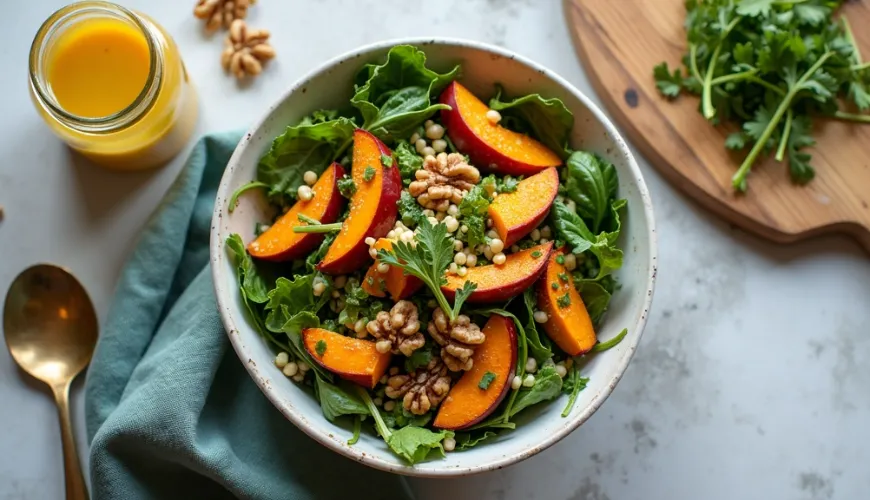
Simply add 1–2 teaspoons of quality honey to the above recipe. If you want to use the sauce as a marinade or salad dressing, you can omit the cream and use olive oil instead – creating a fresh honey-mustard dressing. It's excellent, for example, in combination with roasted pumpkin, arugula, and walnuts.
Creamy Dijon Sauce - Creamy Perfection
When you hear creamy Dijon sauce, most people imagine a rich, smooth texture that coats meat like velvet. And that's exactly what it is – rich, but not heavy. Thanks to the cream, the sauce gains smoothness while remaining bold due to the presence of mustard.
Such a version is perfect for pasta, e.g., with tagliatelle and sautéed mushrooms, or as a base for baked dishes. Some chefs even add a bit of Parmesan for an even deeper flavor. It also works great with broccoli, cauliflower, or roasted sweet potatoes.
For a lighter version, you can replace the cream with Greek yogurt or a plant-based alternative made from coconut or oats – the taste will be slightly different but still very pleasant.
Variants and Tips for Home Experiments
Dijon sauce is quite bold on its own, but if you're not afraid to experiment a little, there are many ways to customize it to your preferences. Some ideas may even be surprising:
- Add fresh herbs: such as thyme, tarragon, or chives. Herbs add freshness and enhance the flavor of meat.
- Use vegetable broth instead of wine: especially suitable when preparing the sauce for children or a vegan menu.
- Try Dijon sauce as a dip: a thicker consistency is perfect for raw vegetables or homemade fries.
- Use it as a base for baking: for example, as a creamy base under grilled cauliflower or lasagna.
Thanks to its full-bodied flavor and mild acidity, Dijon sauce pairs excellently with grilled dishes – for instance, you can serve it instead of the traditional BBQ sauce with tofu or tempeh.
A Kitchen Story - Dijon Sauce at a Weekend Lunch
One Saturday afternoon, in the middle of October, when nature is painting the leaves gold, a young family prepared lunch for their friends. Autumn pumpkin soup, roasted sweet potatoes, and the main course – chicken breasts with creamy Dijon sauce. The ingredients were simple, but the result was impressive. One of the guests, who otherwise doesn't seek out mustard, even had seconds. "This is a whole different league. I didn't expect mustard to taste this good," he remarked. And that's the power of home cooking – simple ingredients, but prepared with care, can create an unforgettable experience.
Why Include Dijon Sauce in Your Menu?
Besides tasting great, Dijon mustard also has its nutritional benefits. It contains antioxidants, is low in calories, and aids digestion. Moreover, thanks to its intense flavor, a small amount is enough, making it an ideal ingredient when striving for healthier eating.
Making homemade Dijon sauce is also a way to control the composition of your food – without unnecessary preservatives, sugar, or additives. Whether you opt for the version with honey, cream, or without, you will always get a valuable complement to many dishes.
Looking at world cuisines, few European sauces are as versatile and yet so easy to prepare. It's no wonder that Dijon sauce has become a staple not only in French households but is slowly finding its way onto Czech tables as well.
And so, perhaps at your next dinner, you'll find yourself reaching for that creamy yellow bottle labeled "moutarde de Dijon" instead of the classic ketchup. Or better yet – you'll pick up a pan and start your own version of Dijon sauce. The result might surprise you just as much as that guest at the October table.