

Cleansing the skin should be a daily ritual

Every day, our skin faces dozens of invisible enemies – smog, dust, bacteria, makeup residue, and excess sebum settle on its surface layer after layer. Yet many people still underestimate one of the most fundamental things they can do for their appearance and health: regular and proper skin cleansing. It's not rocket science, nor is it something reserved only for those who follow elaborate beauty routines. All it takes is understanding a few principles, adapting your care to your skin type, and building a simple ritual that becomes as natural a part of your day as brushing your teeth.
Dermatologists agree that cleansing is the cornerstone of any skincare routine. As stated by the American Academy of Dermatology, proper face washing helps remove impurities, oils, and dead skin cells, thereby preventing clogged pores, acne formation, and premature aging. But "proper" is the key word – overly aggressive cleansing can be just as harmful as no cleansing at all. And that's precisely where the art of finding balance lies.
Imagine a situation that almost everyone can relate to. A young woman – let's call her Tereza – washed her face with ordinary bar soap for years because "soap cleans, after all." The result was constantly irritated, dry, and paradoxically oily skin that reacted to any cream with redness. It wasn't until a dermatologist recommended she switch to a gentle cleansing gel suitable for combination skin and start following a regular daily skin cleansing routine that the situation dramatically improved within a few weeks. No miracle serum or expensive laser – just the right product and consistency. Stories like Tereza's are not the exception; on the contrary, they confirm what experts have been repeating for years: cleansing is the foundation of everything.
Try our natural products
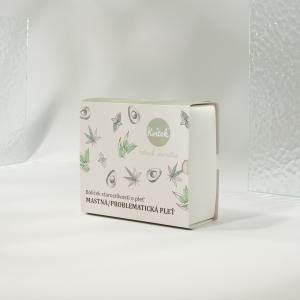
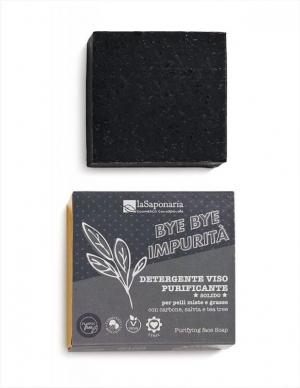



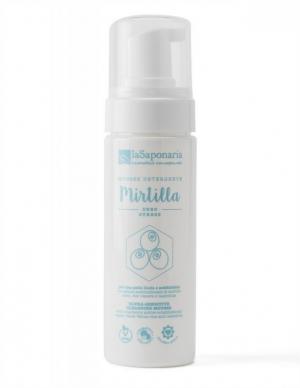
Why Your Daily Ritual Matters More Than You Think
The skin is the largest organ in the human body and also the first barrier between our body and the external environment. Throughout the day, not only external impurities accumulate on its surface but also products of the skin's own metabolism – sweat, sebum, and dead cells. If we don't regularly remove these substances, they create a breeding ground for bacteria that can cause inflammatory processes, acne, or various skin irritations. A regular cleansing ritual isn't just about aesthetics. Clean skin absorbs active ingredients from creams and serums more effectively, regenerates better during the night, and overall maintains a youthful appearance for longer.
Many people argue that their grandmothers never used any special skincare and had beautiful skin. That may be partly true, but it's important to consider that the environment has changed significantly since then. Urban air contains fine particulate matter PM2.5 that penetrates deep into pores, and daily contact with screens exposes us to blue light, whose effects on skin are only beginning to be studied. The modern world simply places higher demands on our skin, and therefore it deserves corresponding attention.
Interestingly, skin cleansing also has a psychological dimension. Studies published in the Journal of Dermatological Science suggest that regular self-care rituals can reduce stress levels and increase a sense of control over one's life. The evening facial cleanse can thus become a meditative moment during which one symbolically washes away not only impurities but also the tension of the day. "Skincare is care for the soul," the legendary cosmetician Erno Laszlo once said, and while it may sound grandiose, there's a grain of truth in her words.
It's also important to understand that proper skin cleansing for healthy skin doesn't mean cleansing as frequently or as intensively as possible. The skin has its own natural protective film made up of lipids and beneficial bacteria, the so-called skin microbiome. Overly aggressive cleansing disrupts this film, leading to a paradoxical reaction – the skin either becomes overly dry or, conversely, starts producing even more sebum to compensate for the loss. The ideal approach is to cleanse the skin twice a day, morning and evening, using products that respect its natural pH, which is around 5.5.
Morning cleansing doesn't need to be as thorough as evening cleansing. Overnight, no makeup or urban smog accumulates on the skin, so it's often enough to rinse the face with lukewarm water or use a gentle micellar water. Some dermatologists even recommend that people with very dry or sensitive skin skip washing their face in the morning altogether and simply apply a moisturizer. Evening cleansing, on the other hand, is essential and should never be skipped, even after the most exhausting day. It's precisely in the evening that everything that has accumulated on the skin during the day needs to be thoroughly removed, preparing it for nighttime regeneration when the most intensive cellular repair processes take place.
If someone wears makeup or sunscreen with a high SPF, it's worth reaching for so-called double cleansing. This concept, which originates from Korean skincare tradition, involves first using an oil-based product or balm that dissolves waterproof products and oiliness, followed by cleansing with a water-based gel or foam that removes remaining impurities. At first glance, this may seem like an unnecessarily complicated extra step, but the result is noticeable – the skin is perfectly clean without being dried out or feeling tight.
How to Properly Cleanse Your Skin According to Its Type
One of the most common mistakes in skincare is the assumption that one product suits everyone. The reality is that every skin type has specific needs, and what works for one person can cause problems for another. That's why it's absolutely crucial to know how to properly cleanse your skin according to its type and choose products and techniques accordingly.
Oily skin tends to be prone to enlarged pores, a shiny appearance, and the formation of blackheads and whiteheads. People with oily skin often reach for strongly degreasing products, believing that the more oil they remove, the better. But the opposite is true – excessive degreasing triggers a compensatory mechanism, and the sebaceous glands start working even harder. The ideal choice is gel or foaming cleansers containing salicylic acid or niacinamide, which gently regulate sebum production while deeply cleansing pores without compromising the hydration barrier.
Dry skin, on the other hand, needs maximum gentleness. Cleansing milks, creams, or oil-based products are far more suitable than foaming gels, which can be drying. It's important to avoid products containing sulfates (especially sodium lauryl sulfate), which create a rich lather but aggressively strip natural lipids from the skin's surface. After cleansing, a moisturizer should be applied immediately, ideally on still slightly damp skin to lock moisture in.
Combination skin is perhaps the biggest challenge because it combines an oily T-zone (forehead, nose, chin) with dry or normal cheeks. A proven approach is to use one universal gentle product and selectively treat problem areas – for example, applying a clay mask to the T-zone only once or twice a week. Micellar waters are often a good choice for combination skin because they cleanse effectively yet gently.
Sensitive skin requires special caution. People with sensitive skin should avoid products with fragrances, alcohol, and artificial dyes. Thermal waters and products with a minimal number of ingredients – so-called "clean beauty" products – tend to be the safest choice. During cleansing, it's important not to press, scrub, or use water that's too hot, as it dilates blood vessels and can worsen redness.
Regardless of skin type, there are several universal rules that truly everyone should follow:
- Always wash your hands thoroughly before cleansing to avoid transferring bacteria to your face.
- Use lukewarm water – hot water dries out the skin, while cold water can't sufficiently dissolve oiliness.
- Apply the cleansing product in gentle circular motions for at least 30 to 60 seconds.
- After washing, gently pat your face dry with a clean towel – don't rub.
- Change face towels ideally every two to three days, or use disposable paper towels.
An often-overlooked part of the cleansing routine is also caring for the neck and décolletage. These areas age just as quickly as the face, but most people completely ignore them during cleansing and subsequent care. Yet all it takes is simply extending the motions from the face downward and including the neck in the entire ritual.
It's also worth mentioning the role of exfoliation – the removal of dead skin cells – which should complement regular daily cleansing. Chemical exfoliants with glycolic acid or lactic acid are generally gentler than mechanical scrubs with abrasive particles and are suitable even for more sensitive skin types. However, exfoliation shouldn't be done daily – once or twice a week is a perfectly sufficient frequency for most people. Excessive exfoliation can disrupt the skin barrier and lead to irritation, redness, and increased sensitivity to sunlight.
Skin cleansing in the context of the seasons is a chapter of its own. In winter, when the air is drier and the skin is stressed by frost and overheated rooms, it's worth switching to gentler and more nourishing cleansing products. In summer, on the other hand, the skin produces more sebum and sweat, so lighter gel textures and more thorough cleansing make more sense. The ability to adapt your daily skin cleansing routine to current conditions is a sign of truly thoughtful care.
The influence of diet and lifestyle on skin condition cannot be overlooked either. Even the most perfect cleansing routine cannot fully compensate for the consequences of chronic sleep deprivation, dehydration, or a diet rich in refined sugars and processed foods. Skin cleansing should therefore be part of a broader approach to a healthy lifestyle that includes a balanced diet, sufficient exercise, quality sleep, and stress management. According to Harvard Medical School, it's precisely the combination of external care and healthy internal habits that is the most effective recipe for beautiful and healthy skin.
In conclusion, a question that many might wonder about: is it worth investing in expensive cleansing products? The answer from most dermatologists is surprisingly measured. A product's price doesn't necessarily correspond to its quality and effectiveness. More important than the brand or luxury packaging is the product's formulation and its suitability for a specific skin type. There are plenty of affordably priced products that dermatologists recommend precisely because they contain effective yet gentle ingredients without unnecessary additives. Proper skin cleansing thus doesn't have to mean a big investment – all it takes is spending a little time choosing the right product and sticking to a regular ritual. Your skin will reward you on its own – with a healthy appearance that needs no filter.