

Causes of Itchy Skin at Night and Simple Tips for Relief

Why Does Our Skin and Head Itch Mainly at Night? Exploring Causes and Paths to Relief
Do you feel like itchy skin at night is driving you insane? As soon as you lie down in bed, your body starts reacting unpleasantly. Your head itches, the skin feels like it's burning, and instead of peaceful sleep, frustration and endless tossing and turning ensue. If this happens to you regularly, you're not alone. Nighttime itching of the skin and head is more common than many realize — and there are specific reasons worth exploring.
What Happens in the Body at Night?
Our body doesn't idle at night. During sleep, regenerative processes are activated, body temperature slightly decreases, and so does the level of cortisol — a hormone that suppresses inflammation and combats irritation. Lower cortisol levels can paradoxically increase skin sensitivity, making it more prone to itching. Moreover, at night, our attention is focused inward — no work tasks, no street noise, just silence and darkness. And at that moment, the body "experiences" minor discomfort much more intensely.
But why does the head and skin itch specifically? A combination of factors, from dry air to hidden skin problems, can trigger irritating sensations that worsen at night. Although it's usually nothing serious, there can be deeper causes — and it's good to recognize them early.
Common Causes of Nighttime Itching of Skin and Scalp
At night, almost anything can itch, from fingertips to the scalp. But why at that time?
One common reason is dry skin. In the winter months, when we heat indoors and it's freezing outside, air humidity significantly decreases. Dry skin loses its protective lipid film, which shields it from irritation. If you also use regular shower gels with aggressive sulfates or take hot baths in the evening, you're only worsening the situation.
For the scalp, the problem is often more complex. Itchy scalp at night is often related to excessive oiliness, poorly chosen hair cosmetics, or even an allergic reaction to shampoo ingredients. For some people, itching may signal more serious issues, such as seborrheic dermatitis, psoriasis, or even parasitic infestations like lice.
Let's not forget about psychosomatic factors. Stress, anxiety, and chronic fatigue can amplify the perception of itching. At night, when the body and mind try to "switch off," these sensations paradoxically intensify. The result can be a vicious cycle: the more we scratch, the more it itches. And the less we sleep, the worse the body regenerates.
Allergic Reactions and Hidden Irritants
Another culprit can be textiles you sleep in. Bed linen made of synthetic materials, residues of laundry detergent, or fabric softeners can cause contact dermatitis. The skin reacts to the irritant with itching, sometimes even rash or redness. People with atopic eczema or other forms of sensitivity are particularly vulnerable.
Special attention should also be given to dust mites, which live in mattresses, pillows, and duvets. Their excrements are highly allergenic. If your itching is accompanied by sneezing, watery eyes, or even mild shortness of breath, it may be an allergy to dust mites – a problem that is definitely not trivial. In such cases, replacing old bedding with anti-allergenic ones and regular washing at higher temperatures can help.
Experiences shared in discussion forums often show how easily overlooked causes can solve a long-term problem. For example, user Monika described that after months of nighttime scalp itching, she discovered that the cause was a new pillow filled with synthetic fiber to which she was sensitive.
Lifestyle and Hygiene - Key to Relief
Proper hygiene is fundamental, but even here, less is sometimes more. Daily hot showers and using aggressive soaps and shampoos disrupt the skin's natural microbiome. Better choices are natural shower gels without fragrances and sulfates, which don't irritate or dry out the skin. The same rule applies to hair care. Shampoos and conditioners containing tea tree oil, oats, or aloe vera can provide relief while calming the scalp.
Proper nighttime skin hydration is also important. Body lotions containing shea butter, almond, or jojoba oil can help. These ingredients are naturally soothing, support the regeneration of the skin barrier, and do not contain synthetic irritants.
From a lifestyle perspective, diet and hydration play a major role. Adequate water intake, healthy fats, and vitamins A, E, and D support skin health from the inside. Conversely, excessive consumption of sugar, alcohol, or highly processed foods can worsen skin symptoms.
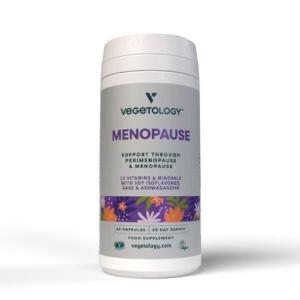
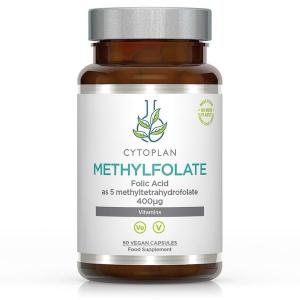
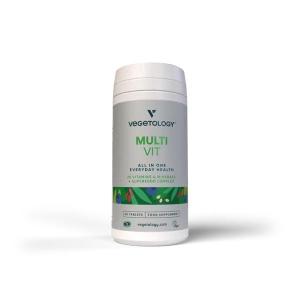
Try our natural products


When to Seek Professional Help?
While most cases of nighttime skin itching have trivial causes, there are situations where it's advisable not to delay and consult a dermatologist. If the itching recurs every night, persists for more than two weeks, or is accompanied by a rash, dandruff, hair loss, or small sores, professional examination is warranted. There are also rare diseases (e.g., lupus, lymphoma, or liver diseases) that may manifest as nighttime itching without an apparent cause.
"Itching without a rash is often an overlooked symptom. It can be a signal that the body is calling for help," says Dr. Alexandra Vítková, a dermatologist with extensive experience. "We don't always find the cause immediately, but it's important to look for it – and not underestimate it when itching disrupts sleep quality."
Small Changes, Big Relief
Experiences show that even small changes in daily routine can significantly help. Try creating an evening ritual that includes gentle skin care, a calm atmosphere without blue light, and sleeping in clean, breathable bed linen. Cotton, linen, or bamboo fiber are ideal – they are naturally breathable, hypoallergenic, and gentle on sensitive skin.
If dry air bothers you, a humidifier can help, or at least a bowl of water placed near the heating. Regular ventilation and limiting synthetic scents in the bedroom – such as air fresheners or scented candles with artificial fragrances – are also effective.
A simple list of what can bring relief:
- Natural cosmetics without fragrances and sulfates
- Bed linen made of natural materials
- Regular air humidification
- Limiting stress before sleep
- Skin hydration with body oils or butters
- Limiting sugar, alcohol, and synthetic substances in food
- Adequate sleep and proper lighting in the bedroom
Whether you suffer from nighttime itching of the skin, head, or both, the key is to listen to your body and look for connections. In most cases, a combination of gentle care, a healthy environment, and a suitable lifestyle will help. And if that doesn't help, there's no shame in seeking professional help. Because sleep is the foundation of health — and everyone deserves to sleep without itching and discomfort.