

# What to Eat When Stressed and Which Foods to Avoid to Feel Better Every Day

Everyone knows the feeling. A deadline at work is looming, the kids need a ride to their after-school activities, the phone won't stop ringing, and a carousel of obligations is spinning in your head. And it's precisely in moments like these that most people reach for whatever's quickest at hand – a chocolate bar, a bag of chips, a third coffee within the hour. But what looks like a lifesaver in that moment actually only fuels the stress spiral further. The relationship between food and stress is, in fact, much deeper and more interesting than it might seem at first glance, and understanding this relationship can fundamentally change how a person feels during challenging times.
Stress isn't just a matter of the mind. It's a complex physiological response that affects the hormonal system, digestion, sleep quality, and the ability to think clearly. When the body perceives a situation as threatening, it begins producing cortisol – the so-called stress hormone. In the short term, this is a useful mechanism, but with chronic stress, cortisol levels remain elevated for weeks or even months. And this is exactly where nutrition enters the picture. As Harvard Health Publishing notes, certain foods have a demonstrable effect on inflammatory processes in the body and can influence how the organism responds to stress. It's not magic – it's biochemistry.
When someone asks what to eat when stressed, they usually expect a simple list of foods. But the reality is a bit more nuanced. It's not just about what to eat, but also about how and when. Skipping meals, which is so common during stress, leads to a drop in blood sugar levels, which the brain interprets as yet another stressor. This creates a vicious cycle – a person is stressed, doesn't have time to eat, hunger worsens their mood and ability to cope with pressure, which leads to even more stress. Regular food intake, even in smaller portions, is therefore the first and often most important step.
Try our natural products

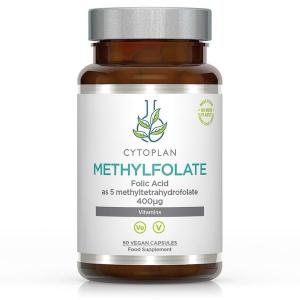


How Food Affects the Body's Stress Response
To understand what foods to eat when you're stressed, it's helpful to know what actually happens in the body during stress at a nutritional level. Chronic stress increases the consumption of certain key nutrients – particularly magnesium, B vitamins, and vitamin C. The body literally "burns" through them faster than usual. If these stores aren't regularly replenished, the result is fatigue, irritability, difficulty concentrating, and sometimes even anxiety.
Magnesium is an absolutely essential mineral in this context. It's involved in more than three hundred enzymatic reactions in the body and plays a key role in regulating the nervous system. A study published in the journal Nutrients confirmed the connection between magnesium deficiency and increased susceptibility to stress and anxiety. And magnesium-rich foods are easily accessible and affordable – dark leafy greens like spinach and Swiss chard, pumpkin seeds, almonds, black beans, or dark chocolate with a high cocoa content.
Another important element is omega-3 fatty acids, which have anti-inflammatory effects and support brain health. Research suggests that regular intake of omega-3 can reduce cortisol and adrenaline levels. The richest sources are fatty fish such as salmon, mackerel, sardines, or herring. For those who don't eat fish, flaxseeds, chia seeds, or walnuts are an alternative, although it should be noted that the plant-based form of omega-3 (ALA) converts to active forms (EPA and DHA) in the body with relatively low efficiency.
Fermented foods also play an interesting role. In recent years, science has uncovered a fascinating connection between the gut microbiome and the brain, known as the gut-brain axis. A healthy gut microflora influences the production of serotonin – a neurotransmitter that regulates mood – and surprisingly, up to ninety percent of it is produced in the gut, not in the brain. Sauerkraut, kefir, yogurt with live cultures, kombucha, or miso – these are all foods that support the gut microbiome and thereby indirectly help manage stress.
Let's consider a specific situation. Jana, a thirty-year-old marketing manager from Brno, described her typical workday like this: just coffee in the morning, a sandwich from the vending machine for lunch, sweets from the office kitchen in the afternoon, and an exhausted fast-food order in the evening. After months of chronic fatigue and growing anxiety, on the recommendation of a nutritional therapist, she gradually began incorporating simple and nutritious stress-relieving foods into her diet – morning oatmeal with walnuts and blueberries, a salmon and avocado salad for lunch, a handful of almonds instead of cookies in the afternoon. She doesn't claim her stress vanished, but after a few weeks she noticed significantly better energy throughout the day, calmer sleep, and overall greater resilience to pressure. Her story isn't exceptional – similar experiences are described by people who realize that food isn't just fuel, but also a tool to help the body work with stress.
Simplicity is key here. When a person is stressed, the last thing they need is a complicated recipe with twenty ingredients. Simple and nutritious stress-relieving foods should be quick to prepare and not require superhuman effort. Oatmeal made with hot water, topped with seeds and pieces of banana – that's a five-minute affair. Whole-grain bread with avocado and egg is something anyone can manage. A smoothie made from a handful of spinach, a banana, a spoonful of peanut butter, and a splash of milk is ready in a minute and contains magnesium, potassium, protein, and healthy fats. A bowl of Greek yogurt with honey and nuts is a quick snack that satisfies and supports gut health at the same time.
Foods That Worsen Stress and What to Replace Them With
Just as important as knowing what to eat is recognizing which foods actually deepen stress. At the top of the list is refined sugar. Sweets do provide an immediate sense of relief – sugar genuinely activates reward centers in the brain in the short term – but the subsequent sharp drop in blood sugar triggers even greater fatigue, irritability, and cravings for more sweets. It's a classic trap that an enormous number of people fall into during stress.
Caffeine in excessive amounts is another problem. One to two cups of coffee a day won't harm most people and may even improve concentration. But five cups a day, which isn't unusual during stress, raises cortisol levels, disrupts sleep, and deepens anxiety. A much better choice is green tea, which contains the amino acid L-theanine – a substance that promotes relaxation without drowsiness while gently increasing alertness. As Hippocrates said more than two thousand years ago: "Let food be thy medicine and medicine be thy food." This idea is more relevant today than ever before.
Highly processed foods – instant meals, processed meats, packaged baked goods full of added sugars and trans fats – increase systemic inflammation in the body. And chronic inflammation is closely linked not only to stress but also to depression and anxiety disorders. A 2019 study published in the prestigious journal BMJ demonstrated a connection between high consumption of ultra-processed foods and an increased risk of depressive symptoms.
Replacing these foods doesn't have to be painful. Instead of a sweet candy bar, dates stuffed with nut butter work well – they're naturally sweet, contain fiber and healthy fats, and you don't feel like you've deprived yourself. Instead of chips, roasted chickpeas with spices or cucumber slices with hummus work wonderfully. Instead of sugary soda, a glass of water with lemon slices and fresh mint.
Vitamin C is also worth mentioning, as it's often overlooked in the context of stress. Yet the adrenal glands, which produce cortisol, are among the organs with the highest concentration of vitamin C in the body. During stress, its stores are rapidly depleted. Bell peppers, kiwi, broccoli, strawberries, and citrus fruits should therefore be regularly included in a stressed person's diet.
One topic that is often overlooked in connection with food and stress is hydration. Dehydration, even mild, impairs cognitive function, increases fatigue, and can intensify feelings of anxiety. During stress, people often forget to drink, or they replace water with coffee and energy drinks. Yet it's enough to keep a bottle of water at hand and sip from it regularly – it's not complicated, but it has a surprisingly significant effect.
The overall approach to eating during stress can be summarized in a few principles that are neither complicated nor expensive. Eat regularly and don't skip meals. Include plenty of vegetables, fruits, whole grains, legumes, nuts, and quality proteins. Limit refined sugar, excessive caffeine, and ultra-processed foods. Stay hydrated. And above all – don't view food as an enemy or a source of stress, but as an ally that helps keep body and mind in balance.
There's no need to be perfect. An occasional chocolate bar or pizza won't kill anyone, and a rigid approach to food could paradoxically increase stress even further. It's about the overall pattern, about what a person eats most of the time, not about individual slip-ups. Stress-relieving eating isn't a diet with strict rules – it's more of a compassionate approach to your own body that says: "I know you're going through a tough time right now, so I'll give you the best I can."
And perhaps this is the most important lesson of all. In times when it seems like a person has no control over anything – over deadlines, over circumstances, over other people's behavior – control over what goes on their plate always remains in their hands. It's a small, everyday decision that gradually adds up and can transform not only how a person feels during stress, but how they experience stress and how quickly they can recover from it.