
Recipes from overripe fruit are surprisingly varied
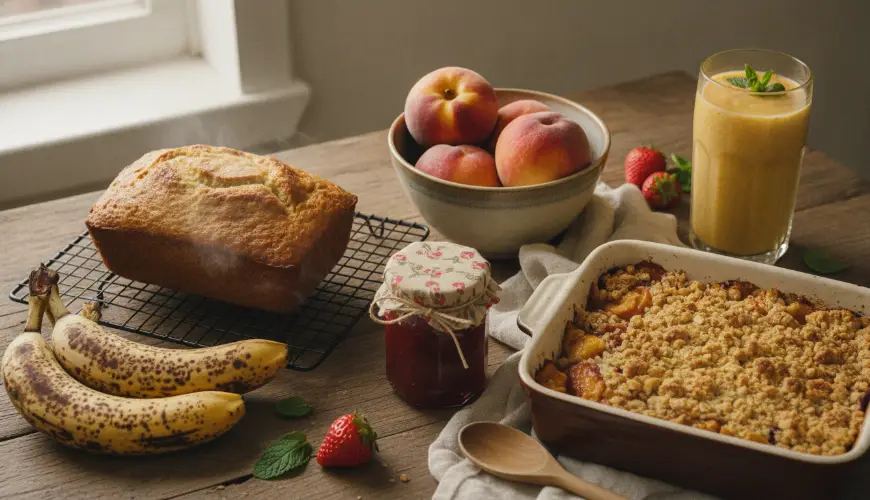
Everyone knows it. On the kitchen counter lie bananas with dark spots, a bowl of soft peaches that nobody wants to eat, or a few strawberries on the edge of their use-by date. Many people's first instinct is to reach for them and throw them in the bin. But this is precisely the moment when not only food is lost, but also money, energy and the resources that nature and human labour have put into the fruit. Overripe fruit is not the end of the story – it is its best chapter.
Food waste is a global problem far greater than it might first appear. According to data from the Food and Agriculture Organization of the United Nations (FAO), approximately one third of all food intended for human consumption is lost or wasted. In households, fruit and vegetables are among the most frequently discarded items. Paradoxically, overripe fruit tends to be the sweetest, most fragrant and most intensely flavoured – and it is precisely these qualities that make it an excellent ingredient for a whole range of recipes.
Try our natural products



Why overripe fruit is a treasure, not waste
When fruit ripens, fascinating chemical processes take place within it. Starch is converted into sugars, cell walls loosen and aromatic compounds are formed that are responsible for its intense fragrance. An overripe banana, for example, has a significantly higher content of simple sugars than its yellow, firm counterpart, and therefore adds natural sweetness to batter without the need to add large amounts of refined sugar. The same applies to peaches, plums, pears or strawberries – the softer and more fragrant they are, the more flavour they will bring to the finished dish.
From a zero-waste philosophy perspective, this is an ideal example of how to rethink the perception of "spoiled" food. Fruit that would have ended up in the bin can, with a little creativity, be transformed into something that family or friends will enjoy eating. No culinary school or expensive equipment is needed. All it takes is knowing a few basic techniques and having the desire to experiment.
Take Lucie, a thirty-three-year-old mother of two from Brno, as an example. Every week she bought fruit with good intentions, but the reality of family life meant that some of it always ripened before they had a chance to eat it. Then she discovered a recipe for banana bread and since then the family has enjoyed homemade baked goods every weekend, made with the most overripe bananas. "The blacker, the better," she says with a smile. This seemingly small shift in thinking has saved her hundreds of crowns a year and significantly reduced the amount of waste from the household.
Banana bread is just the beginning. The world of recipes using overripe fruit is surprisingly varied and includes desserts, drinks, sauces, jams and savoury dishes. The key is to understand which techniques work best for different types of fruit, and not to be afraid to improvise.
Tried-and-tested recipes that will change your view of overripe fruit
The most classic way to use overripe bananas is the aforementioned banana bread or muffins. The recipe is simple: mashed bananas, eggs, a little flour, oil or butter, a teaspoon of baking powder and, to taste, cinnamon, walnuts or chocolate chips. The result is moist, naturally sweet and stays fresh for several days. If you want to go even further, overripe bananas can be frozen and later used as a base for smoothies or ice cream without added sugar – simply blend them with a little plant-based milk.
Peaches, nectarines and apricots that are too soft to eat fresh are wonderful in baked desserts or crumble. Simply slice them, sprinkle with a mixture of oats, flour, butter and sugar and bake in the oven until a golden crust appears. Crumble is one of the simplest desserts in existence and can accommodate virtually any fruit – strawberries, raspberries, plums, pears or combinations thereof. The aroma that spreads throughout the home while it bakes is a reward in itself.
Overripe berry fruits – strawberries, blueberries, raspberries – are ideal for homemade jams and preserves. Preparation is surprisingly easy: the fruit is heated with a little sugar and lemon juice until it thickens. No industrial additives, no unnecessary preservatives. A homemade jam in a jar with a nice label also makes a wonderful gift that brings more pleasure than anything bought in a shop. If you want to reduce the amount of sugar, some of it can be replaced with chia seeds, which have natural gelling properties.
Plums and pears on the verge of their best are excellent in chutney – a thick, spiced condiment inspired by Indian cuisine. The fruit is cooked with vinegar, onion, ginger, chilli and brown sugar until a dark, aromatic mixture forms. Plum chutney pairs beautifully with cheeses, grilled meat or wholegrain crackers. It is one of those recipes where overripe fruit delivers a result that fresh fruit simply cannot achieve.
Fruit smoothies and drinks deserve a mention too. Overripe fruit is made for smoothies – its soft consistency blends easily and its intense flavour means no sweeteners need to be added. A combination of overripe mango, banana and ginger with coconut milk creates a tropical drink full of natural sugars and vitamins. Overripe strawberries or raspberries can be blended with yoghurt and frozen in ice lolly moulds – a healthy alternative to shop-bought ice creams that will delight both children and adults.
A less common but very tasty option is using overripe fruit in savoury dishes. Overripe mango or pineapple works well in salad dressings, in spicy sauces for fish or chicken, or as a base for tropical salsa. The combination of sweet overripe fruit with chilli, lime and coriander creates flavour contrasts that are fundamental to many world cuisines – from Thai to Mexican.
For those who want to go even further in the spirit of zero-waste philosophy, fermentation is an interesting option. Overripe fruit can be used as a base for homemade vinegar, kombucha or simple fruit wine. Fermentation is one of the oldest methods of food preservation and has been experiencing a great renaissance in recent years. Research shows that fermented foods have a positive effect on the gut microbiome and overall health, making it an approach that combines sustainability with care for one's own body.
A freezer is also a practical aid when dealing with surplus fruit. Overripe fruit can be sliced or mashed and frozen in portions that can then be used at any time in smoothies, baking or sauces. Bananas are best peeled and frozen whole or sliced into rounds. Berry fruits simply need to be spread on a tray, frozen and then transferred to a bag – this prevents them from sticking together. This simple technique extends the life of fruit by weeks or months and ensures a supply of ingredients for leaner times.
An important part of the zero-waste approach is also proper storage of fruit. Many types of fruit ripen faster in the proximity of other fruit, particularly when it comes to bananas, which release ethylene – a gas that accelerates ripening. If you want to keep other fruit fresh for longer, it is better to store bananas separately. Conversely, if you want to speed up the ripening of avocados or pears, simply place them next to bananas. Such small pieces of knowledge can significantly reduce the amount of fruit that ripens before you have a chance to consume it.
As French chef and pioneer of sustainable gastronomy Alain Ducasse once said: "True cooking does not begin in the shop, but in the mind." And it is precisely this change of mindset that distinguishes households that throw food away from those that make the most of every ingredient. Overripe fruit ceases to be a problem the moment we begin to see it as an opportunity.
Gradually introducing these habits into everyday life need not be an overnight revolution. It is enough to start with one recipe – perhaps that banana bread – and gradually discover further possibilities. Every piece of fruit that does not end up in the bin is a small victory for the wallet, for the household and for the planet. And because overripe fruit tends to be the most intensely flavoured, the resulting dishes often taste better than those prepared from fresh ingredients.
Zero waste and maximum flavour are not contradictory goals – they are two sides of the same coin. In overripe fruit, nature offers us concentrated flavour, natural sweetness and fragrance that would be a shame to waste. And every jar of homemade jam, every slice of banana bread or every smoothie made from overripe mango is proof that a sustainable lifestyle need not mean deprivation. Quite the opposite – it can taste better than anything else.