

# Hormonal Acne on the Chin and What to Do About It
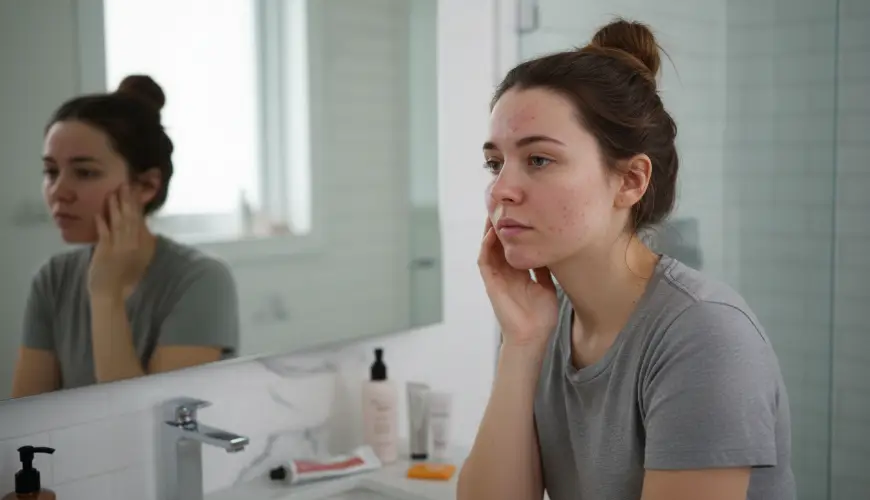
Hormonal acne on the chin and jaw isn't just a cosmetic problem – it's a message your body is sending you. And it's worth listening to. While the occasional pimple can bother just about anyone, recurring deep, painful cysts and inflamed nodules in the lower face area usually have a deeper cause that extends far beyond the skin's surface. If you're dealing with this phenomenon, you're definitely not alone – and most importantly, there are ways to help yourself.
Imagine a typical scenario: a woman in her thirties, who had relatively clear skin during puberty, suddenly begins noticing unpleasant subcutaneous pimples around her chin and along the jawline. They come in regular waves, often just before her period. Ordinary cleansing products don't help, and drying creams tend to make things worse. Frustrating? Without a doubt. But it's precisely this location and regularity that serve as an important clue, indicating that the problem is caused by hormonal imbalance.
According to the American Academy of Dermatology (AAD), up to 15% of women suffer from acne in adulthood, and the chin and jaw area is one of the most typical places where hormonally driven acne manifests. Unlike classic teenage acne, which mostly affects the forehead and nose (the so-called T-zone), adult hormonal acne tends to concentrate in the lower third of the face, on the neck, and sometimes along the hairline. This is no coincidence – these areas contain a higher concentration of androgen receptors, meaning receptors sensitive to male sex hormones.
Try our natural products
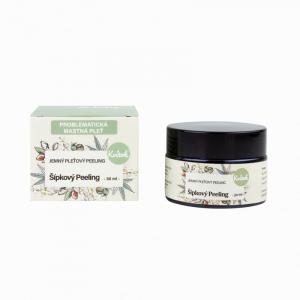
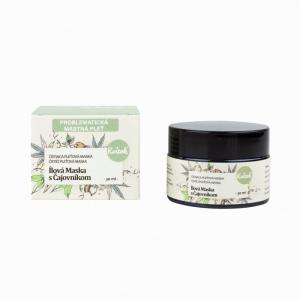
Why the Chin and Jaw Specifically?
To understand why acne appears exactly where it does, we need to take at least a basic look beneath the skin's surface. Androgens, primarily testosterone and its more active form dihydrotestosterone (DHT), stimulate the sebaceous glands to overproduce sebum. And because the chin and jaw area is particularly sensitive to these hormones, it becomes a kind of barometer for hormonal activity in the body. When androgen levels rise – whether in absolute terms or relative to estrogen and progesterone – the sebaceous glands in this area react first.
But androgens aren't the only player on the stage. The entire story of hormonal acne is intertwined with many other factors that influence one another. Insulin resistance, for example, increases androgen production in the body, which is why acne on the chin and jaw frequently appears in women with polycystic ovary syndrome (PCOS). According to a study published in the Journal of Clinical and Aesthetic Dermatology, up to 70–80% of women with PCOS have skin manifestations linked to androgen excess, with acne being among the most common. So if you're dealing with recurring acne in the lower part of your face and also noticing irregular menstrual cycles, excessive hair growth, or difficulty losing weight, it's definitely worth getting your hormonal profile checked.
But PCOS is far from the only cause. Hormonal fluctuations throughout the menstrual cycle mean that many women notice their acne worsening approximately one week to ten days before their period, when progesterone levels drop and the relative influence of androgens increases. Similar fluctuations occur during pregnancy, after discontinuing hormonal contraception, during perimenopause, or during significant stress. And stress is a factor that deserves special attention, because its impact on acne is dramatically underestimated.
When the body is under chronic stress, the adrenal glands produce increased amounts of cortisol – the stress hormone. Cortisol itself stimulates the sebaceous glands, but it also triggers a cascade of hormonal changes that lead to increased androgens. This creates a vicious cycle: stress worsens acne, acne increases stress, and that further worsens acne. As dermatologist Dr. Whitney Bowe, author of The Beauty of Dirty Skin, aptly noted: "Your skin is a mirror of what's happening inside your body – from your gut to your hormones to your emotions."
And this is exactly where we get to the heart of the matter. Hormonal acne on the chin and jaw isn't just an aesthetic issue that can be solved with more aggressive cleansing or a stronger cream from the pharmacy. It's a signal that somewhere in the body there's an imbalance, and if we want to address the problem truly effectively, we need to look at the bigger picture.
Let's start with the most fundamental thing – diet. The relationship between food and acne was long considered a myth, but modern research shows that a high glycemic index diet (white bread, sweets, sugary drinks, processed foods) can indeed worsen acne by raising insulin levels, which indirectly increases androgen production. A systematic review published in the Journal of the Academy of Nutrition and Dietetics confirmed that a low glycemic index diet can lead to improvement in acne. This doesn't mean you have to stop eating bread – but if your breakfast regularly consists of a white roll with jam and a sweet cappuccino, it might be worth trying an experiment and switching for a few weeks to whole grain alternatives, more vegetables, quality fats, and proteins.
A similarly debated topic is dairy products. Some studies suggest that skim milk in particular may be associated with worsening acne, likely due to its content of growth factors and hormones. The point isn't to demonize milk as such, but if you suspect a connection, try switching to plant-based alternatives for a month and observe whether anything changes. Every person's body reacts differently, and what works for one person may not work for another.
Beyond diet, the already mentioned stress and sleep quality play an enormous role. Chronic sleep deprivation disrupts hormonal balance on many levels – it increases cortisol, reduces insulin sensitivity, and affects skin regeneration. A regular sleep schedule, at least seven hours of quality sleep, and stress management techniques such as meditation, yoga, or simply spending time in nature can have a surprisingly significant impact on skin condition. It sounds trivial, but these "boring" basics are often more effective than any expensive serum.
What Actually Helps – and What Doesn't
Once hormonal acne on the chin and jaw appears, it's important to know how to approach it from a skincare perspective. A fundamental mistake many people make is excessive cleansing and drying out the skin. Aggressive products with high alcohol content or overly frequent exfoliation can damage the skin barrier, cause even greater irritation, and paradoxically increase sebum production. Hormonal acne requires a different approach than classic teenage pimples.
Dermatologists typically recommend gentle, pH-neutral cleansing twice daily, the use of niacinamide (vitamin B3), which helps regulate sebum production and reduce inflammation, and topical application of products containing azelaic acid or benzoyl peroxide in low concentrations. For a longer-term solution, products with retinoids (vitamin A derivatives), which accelerate cell renewal and prevent pore clogging, often prove effective for hormonal acne. However, these require patience – visible results typically appear only after six to eight weeks of regular use.
Hydration is also essential. Many people with acne are afraid to use moisturizer because they worry it will clog their pores even more. But dehydrated skin produces more sebum as a compensatory mechanism, only deepening the problem. The key is to choose lightweight, non-comedogenic moisturizing products – ideally containing hyaluronic acid or ceramides, which restore the skin barrier without burdening the skin.
If topical care isn't enough and the acne is moderate to severe, a visit to a dermatologist is in order, as they can consider systemic treatment. For women, this often includes hormonal contraception with anti-androgenic effects or spironolactone – a medication that blocks the effect of androgens on the sebaceous glands. According to AAD recommendations, spironolactone can be very effective specifically for adult women with acne in the lower face area that doesn't respond to standard topical treatment. Of course, any systemic treatment should be carried out under medical supervision and after careful consideration of the benefits and risks.
Dietary supplements that can support hormonal balance should also not be overlooked. Zinc, omega-3 fatty acids, vitamin D, and probiotics are among the most frequently mentioned in the context of skin health. Zinc in particular plays an important role in regulating inflammation and skin healing – some studies suggest that zinc supplementation can bring measurable improvement in people with acne. Nevertheless, supplements are not a miracle solution and work best as part of an overall lifestyle approach.
Let's return to the woman from the introduction – because her story is actually the story of thousands of women. After trying one product after another in vain, she visited an endocrinologist who diagnosed her with mild insulin resistance. By adjusting her diet toward foods with a lower glycemic index, exercising regularly, maintaining a consistent sleep schedule, and using gentle skincare with niacinamide and azelaic acid, her skin improved significantly within three months. No overnight miracle, no single "holy grail" product – but a systematic, holistic approach that addressed the cause, not just the symptoms.
And that is exactly the message you can take away from this topic. Hormonal acne on the chin and jaw is your body's way of telling you it deserves attention – not just from the outside, but above all from within. Listen to it, be patient with yourself, and don't be afraid to seek professional help. Your skin is just the tip of the iceberg, and the real solution almost always lies deeper than any cream can reach.