

Insulin resistance silently affects the female body

Few people realize that behind constant fatigue, weight gain despite a healthy diet, or difficulties getting pregnant, there may be one and the same problem. Insulin resistance is a condition that develops in the body slowly and imperceptibly, often for years, before it manifests as something that can no longer be ignored. In women, this problem is particularly insidious because its symptoms are easily confused with ordinary stress, hormonal fluctuations, or simply "aging." Yet early recognition and understanding of this condition can fundamentally change one's quality of life.
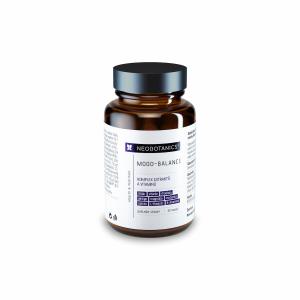
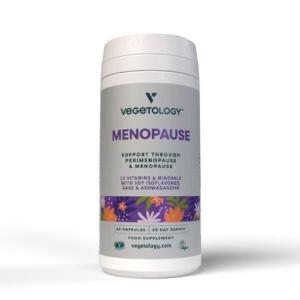
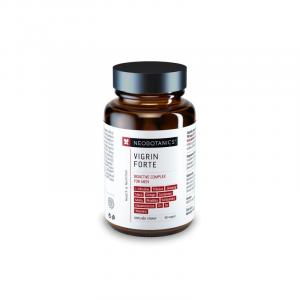
Try our natural products



What insulin resistance actually is and why it's worth understanding
Insulin is a hormone produced by the pancreas, and its main role is to help cells absorb glucose from the blood and convert it into energy. When the body functions properly, it's an elegant and well-tuned system – a person eats, blood sugar levels rise, the pancreas releases an appropriate amount of insulin, and the cells readily accept the glucose. But with insulin resistance, this mechanism gets jammed. The cells stop responding to insulin as they should, and the pancreas responds by producing more and more of it. The result is a chronically elevated level of insulin in the blood, which may keep blood sugar within normal range for a while, but causes a range of problems in the background.
According to the World Health Organization, insulin resistance is one of the key factors leading to the development of type 2 diabetes, which affects hundreds of millions of people worldwide. But diabetes is the endpoint – insulin resistance itself can cause problems in the body long before blood sugar levels deviate from normal. And that's precisely why it's so easily overlooked. Standard laboratory tests that measure only fasting blood glucose may not detect it at all in its early stages.
In women, insulin resistance has yet another special dimension. The female body is hormonally more complex, and insulin doesn't function in isolation – it works closely with estrogens, progesterone, and androgens. When insulin balance is disrupted, other hormones are thrown off in a cascade effect. That's why women with insulin resistance often experience problems that at first glance seem completely unrelated to sugar metabolism – from irregular periods to acne to fertility issues.
Consider, for example, the story of thirty-year-old Kateřina, who spent two years trying unsuccessfully to lose weight. She exercised three times a week, ate a balanced diet, and cut back on sweets. Yet her weight wouldn't budge – in fact, it slowly crept up. On top of that came exhausting fatigue after lunch, cravings for sweets that felt more like compulsions than appetite, and an irregular cycle. Her gynecologist eventually recommended testing her fasting insulin levels and HOMA index, and the results showed clear insulin resistance. Kateřina's story is far from unusual – it's estimated that up to one-third of the adult population in developed countries has some form of insulin resistance, with the majority unaware of it.
But how can you recognize this condition when it so masterfully disguises itself as common complaints? There are a whole range of signals that should raise concern. Chronic fatigue, especially after a carbohydrate-rich meal, is among the most common. The body receives plenty of glucose, but the cells can't use it efficiently – so a person paradoxically feels exhausted even though they've just eaten. Another typical symptom is fat accumulation primarily in the abdominal area. While subcutaneous fat on the hips or thighs is relatively harmless from a metabolic standpoint, visceral fat around the waist is closely linked to insulin resistance and represents an independent health risk factor.
Many women also notice they have irresistible cravings for sweet and starchy foods. This isn't weak willpower – it's a physiological response from a body trying to get glucose into cells at all costs, sending signals to the brain to secure another supply of quick energy. It's a vicious cycle: the more sweets a person eats, the more insulin the pancreas produces, the worse the cells respond to it, and the stronger the next wave of sugar cravings becomes.
Other symptoms include dark discoloration of the skin in folds – on the neck, in the armpits, or under the breasts – medically known as acanthosis nigricans. Skin tags, worsened acne, or excessive facial and body hair may also appear, which is related to elevated androgen levels that insulin resistance often causes in women.
And this is precisely where we arrive at one of the most serious consequences – the impact on reproductive health and fertility. Insulin resistance is one of the main metabolic mechanisms behind polycystic ovary syndrome (PCOS), which according to the American College of Obstetricians and Gynecologists affects up to 10% of women of reproductive age. Elevated insulin levels stimulate the ovaries to overproduce testosterone, which disrupts ovulation and leads to irregular cycles. Women with PCOS and insulin resistance thus often face difficulties conceiving, and if the resistance is improved, fertility frequently returns even without additional treatment.
As preventive cardiologist Dr. Mark Hyman famously noted: "Insulin resistance is probably the most dangerous condition you've never heard of." And he was right – this metabolic problem increases the risk not only of diabetes but also of cardiovascular disease, non-alcoholic fatty liver disease, certain types of cancer, and neurodegenerative diseases.
How to detect insulin resistance and what can be done about it
Diagnosing insulin resistance isn't complicated, but it requires a doctor to think of it. Fasting blood glucose alone can remain normal for a long time because the pancreas compensates for the resistance with increased insulin production. A much more reliable indicator is testing fasting insulin levels and calculating the so-called HOMA index (Homeostatic Model Assessment), which compares insulin and glucose levels. An oral glucose tolerance test with insulin measurement can also be useful, showing how the body responds to a sugar load over time. If a woman suspects insulin resistance, it's worth actively requesting these tests.
The good news is that insulin resistance is in most cases a reversible condition. It's not irreversible damage but a functional disorder that can be significantly influenced by lifestyle changes – and in many cases completely reversed. So what works?
First and foremost is dietary adjustment, but not in the sense of drastic diets, which often make the problem even worse. The key is to reduce the glycemic load of your diet – that is, to limit foods that cause rapid and significant spikes in blood sugar levels. This means replacing white bread, white rice, and sugary drinks with lower glycemic index foods: whole grain bread, legumes, vegetables, and quality proteins. An important role is also played by adequate fiber intake, which slows sugar absorption, and healthy fats from avocado, nuts, olive oil, or fatty fish. Ideally, every meal should contain a combination of protein, healthy fat, and complex carbohydrates – this helps keep blood sugar stable and prevent insulin spikes.
Another extraordinarily effective tool is exercise. Muscles are the largest consumers of glucose in the body, and regular physical activity increases their sensitivity to insulin. And it doesn't require extreme workouts – studies published in the journal Diabetes Care repeatedly show that just 30 minutes of brisk walking per day can significantly improve insulin sensitivity. Combined training is particularly effective – meaning a combination of aerobic exercise (walking, running, swimming) with strength training, which builds muscle mass and thereby increases baseline glucose consumption even at rest.
An often underestimated factor is quality sleep. Chronic sleep deprivation – and just one week of sleep shortened to five or six hours is enough – demonstrably reduces insulin sensitivity. The body in sleep deficit mode produces more cortisol, the stress hormone, which directly worsens insulin resistance. Eight hours of quality sleep in a dark, cool room is therefore not a luxury but a fundamental pillar of metabolic health.
Equally important is stress management. Chronic stress keeps cortisol levels permanently elevated, which leads to higher glucose production in the liver and impairs cells' ability to respond to insulin. Meditation, yoga, walks in nature, or any activity that helps calm the nervous system are therefore not just pleasant additions but genuine therapeutic tools.
Also worth mentioning are some natural dietary supplements that can support insulin sensitivity. Among the best-studied are magnesium, whose deficiency is very common in people with insulin resistance, as well as chromium, alpha-lipoic acid, and berberine – a plant alkaloid whose effects on glucose metabolism have been the subject of numerous clinical studies. Of course, no supplement can replace changes in dietary and exercise habits, but as part of a comprehensive approach, it can be useful.
In cases where lifestyle changes aren't enough, a doctor may consider pharmacological treatment. The most commonly prescribed medication is metformin, which reduces glucose production in the liver and improves insulin sensitivity. In women with PCOS and insulin resistance, metformin is often part of the treatment precisely because it helps restore regular ovulation and increase the chances of conception.
Let's return to Kateřina from our story. After her diagnosis, she began working with a nutritional therapist, adjusted her diet toward a lower glycemic load, added strength training twice a week, and started paying attention to regular sleep. After three months, she reported significantly higher energy throughout the day, the afternoon crashes disappeared, and so did the irresistible sweet cravings. Within six months, she managed to lose six kilograms – this time without feelings of deprivation and hunger. And what's more, her menstrual cycle settled into a regular 30-day pattern for the first time in a long while.
Insulin resistance is not a sentence. It's a signal from the body that something isn't functioning optimally, and at the same time an opportunity to make changes that bring benefits far beyond just a number on the scale. Better energy, more balanced mood, healthier skin, a more regular cycle, and ultimately a lower risk of serious civilization diseases. All it takes is listening to your body, getting tested, and not being afraid to take the first step. Because the best time to start is always now.