Other names: Cyanocobalamin, Cyanocobalamin, Cobalamin
Harm score: 2 (Derivatives of natural substances)
Vitamin B12
Vitamin B12, also known as cobalamin, is a water-soluble organic compound from the B-complex vitamin group. Chemically, it is a corrinoid containing cobalt. Vitamin B12 contributes to normal red blood cell formation, to the normal functioning of the nervous system, to normal energy metabolism, and to normal homocysteine metabolism. It is involved in the process of cell division.
Chemical Properties
The structure of cobalamin is characterised by a cobalt ion (Co³⁺) at the centre of a corrin ring. In food supplements, cyanocobalamin (C₆₃H₈₈CoN₁₄O₁₄P) is commonly used; it is stable and produced synthetically. Other forms include methylcobalamin, hydroxocobalamin, and adenosylcobalamin.
Physical properties of cyanocobalamin:
- Colour: dark red to purple crystalline substance
- State: solid
- Odour: practically odourless
- Solubility: soluble in water, slightly soluble in alcohol
- Thermal properties: stable under normal conditions, sensitive to light
Vitamin B12 does not occur in free form in nature. It is synthesised by microorganisms, particularly bacteria.
Uses
Vitamin B12 is used:
- in food supplements
- in the food industry for fortifying certain foods (for example, plant-based milks or cereals)
Vitamin B12 is practically absent from plant-based sources, which is why people following vegan and vegetarian diets often obtain it from fortified foods or food supplements.
Natural Occurrence and Production
Vitamin B12 is synthesised by bacteria and archaea. In foods, it is found primarily in meat, fish, eggs, and dairy products.
Commercially, it is produced biotechnologically by fermentation of strains such as Propionibacterium shermanii or Pseudomonas denitrificans. The vitamin is subsequently extracted and purified for use in food supplements and fortified foods.
Safety
Vitamin B12 is generally considered to be well tolerated. The body utilises the amount it needs and excretes the excess in urine.
Production by fermentation has a relatively low environmental impact compared to conventional chemical production, particularly when renewable energy sources are used.
History
Vitamin B12 was isolated in 1948 independently by two teams in the USA and the United Kingdom. The molecule was later determined by X-ray crystallography by Dorothy Crowfoot Hodgkin, who received the Nobel Prize for her work in 1964.
Vitamin B12 contains the metallic element cobalt. The human body cannot produce it on its own and depends on intake from food, fortified foods, or food supplements.
Summary
Vitamin B12 (cobalamin) is a substance that contributes to normal red blood cell formation, to the normal functioning of the nervous system, and to normal energy metabolism. It is produced by microbial fermentation and is used in food supplements and fortified foods. A varied and balanced diet and a healthy lifestyle are important.
You won't find this substance in our products. Try the natural, chemical-free products in our range.
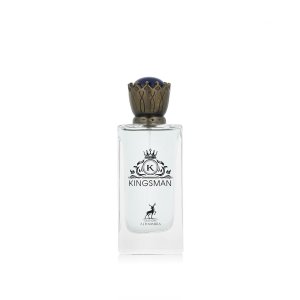
Kingsman Eau de Parfum for Men
Product detail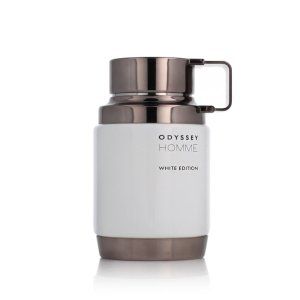
Armaf Odyssey Homme White Edition Eau de Parfum for Men
Product detail